our promise to you
To leave no stone unturned in the pursuit of better health. You will have a smooth process to see a well-trained and prepared provider to work with you every step of the way.
we listen to you
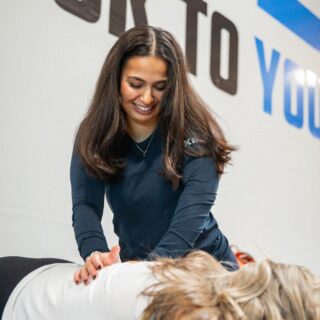
This seems obvious, but in healthcare, personal attention isn’t the norm. We’re not the norm. We structure time to understand you and understand your condition. Your journey of how you got here is critical to our ability to coach you to the next steps. All of your sessions will be one-on-one with the physical therapist, not passed to support staff.
WE apply science
Science has given us many fundamental rules of healing and movement. It’s common sense to apply these principles to your treatment plan. But, as we know, common sense is not so common. In our case, we can guide you to best practices in your recovery.
we measure
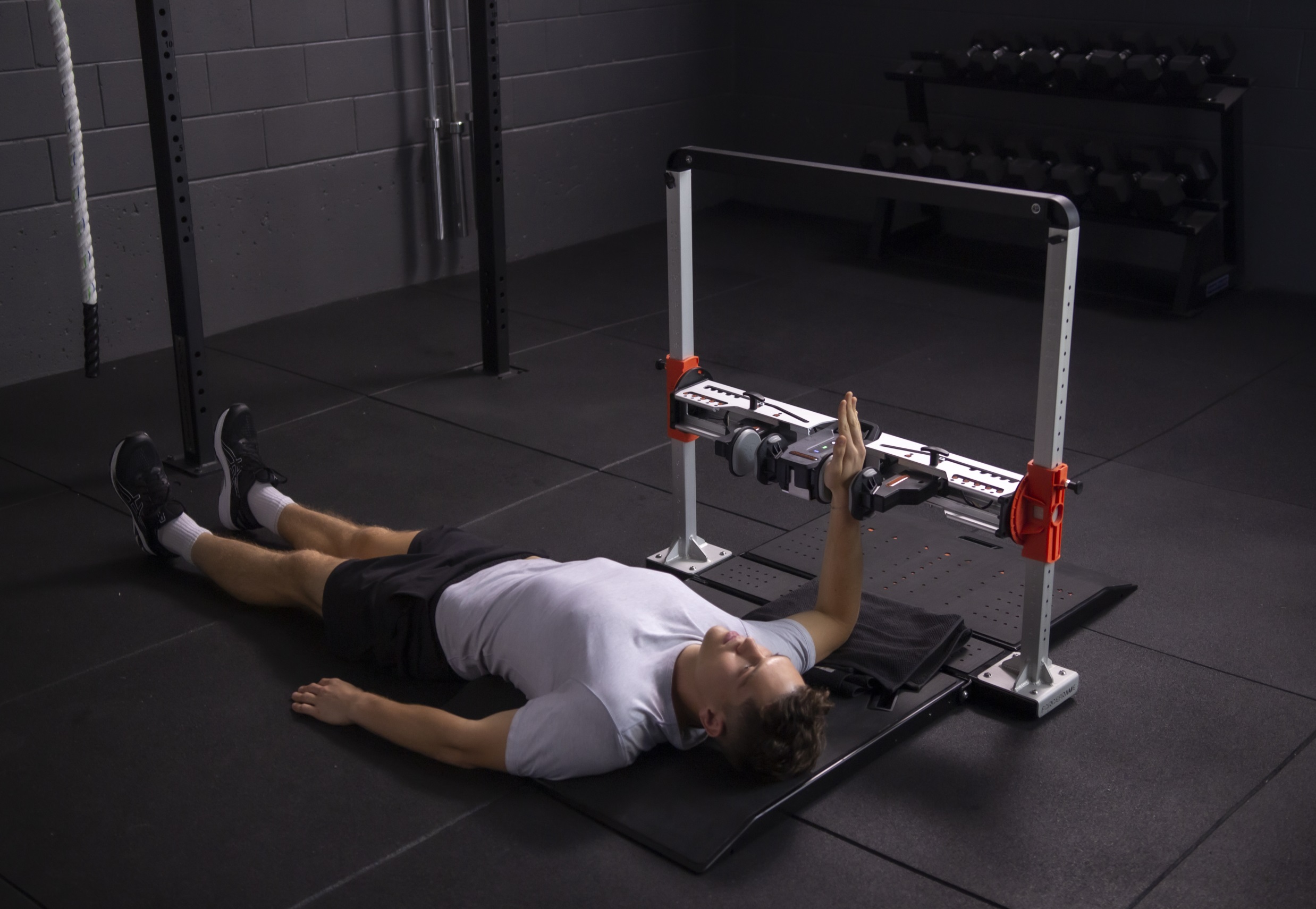
You can’t start down a path if you don’t know where you are. Let’s get a baseline and set goals to see progress. We use experience and cutting-edge technology to determine where to start and how to develop a path to success.
we deliver a plan
This is what you came for. You deserve to know what is going on in your body and what actions you can take to change it.

we measure
You can’t start down a path if you don’t know where you are. Let’s get a baseline and set goals to see progress. We use experience and cutting-edge technology to determine where to start and how to develop a path to success.
we deliver a plan
This is what you came for. You deserve to know what is going on in your body and what actions you can take to change it.
instagram feed
The first coach. The first protector.
Strength isn`t inherited.
It`s witnessed.
It`s early mornings, steady hands, hard conversations, and showing up day after day, especially when no one is watching.
Today, we honor the fathers whose example shapes generations.
Happy Father`s Day from KIME.
Facilities don`t create a standard of care.
They serve one.
That`s an important distinction.
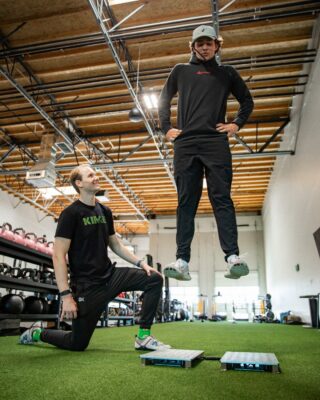
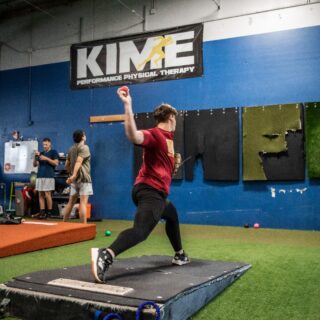
At KIME, we didn`t build large turf spaces because they look impressive. We built them because we believe athletes deserve to run, sprint, cut, throw, jump, and react in front of us before anyone says they`re ready to return to sport.
You can`t evaluate acceleration in a hallway.
You can`t assess change of direction in a treatment room.
And you can`t understand how force transfers through an athlete`s body if the environment doesn`t allow them to move the way their sport demands.
The facility is not the product.
The standard is the product.
The facility simply makes the standard possible.
If your philosophy is that return-to-sport should be objective, then your environment has to support objective testing.
If your philosophy is that athletes should be exposed to real-world movement demands before returning to competition, then your environment has to allow sprinting, cutting, decelerating, and reacting.
And if your philosophy is excellence, then your facility has to make excellence possible.
"You can`t evaluate an elite cutting athlete on blacktop."
Not because blacktop is bad.
But because the standard of care should rise to meet the athlete—not ask the athlete to lower their expectations.
That`s the future of sports medicine.
Build environments that allow clinicians to practice at the highest level they`re capable of.
🎙️ Episode 59 of KIMEcast explores why facilities aren`t a marketing decision—they`re a clinical one.
#SportsMedicine #PhysicalTherapy #SportsPerformance #ReturnToSport #HealthcareLeadership #ClinicalExcellence #PracticeManagement #KIMEcast
One of the biggest mistakes in sports medicine is assuming every athlete returns to sport the same way.
They don`t.
Luka Dončić creates inches of separation.
Shai Gilgeous-Alexander creates feet.
James Harden creates contact.
All three are elite.
But they win differently.
And because they win differently, their physical demands—and their injury exposures—are completely different.
This is why return-to-sport testing can`t be generic.
The athlete who wins with acceleration shouldn`t be evaluated the same way as the athlete who wins with deceleration.
The athlete who relies on rotational power shouldn`t be measured the same way as the athlete who relies on reactive change of direction.
The ultimate question isn`t:
"Are you back?"
It`s:
Can you still do the thing that makes you special?
Because an athlete may be pain-free.
They may have completed rehab.
They may even look good in testing.
But if they can`t access the movement qualities that define their game, they`re not truly back.
The future of sports medicine is individualized.
Not just by sport.
Not just by position.
But by understanding the unique movement strategy each athlete uses to win.
🎙️ Episode 59 of KIMEcast dives into the relationship between movement strategy, injury risk, and return-to-sport readiness.
#SportsMedicine #SportsPerformance #ReturnToSport #PhysicalTherapy #AthleticTraining #Basketball #PerformanceTraining #KIMEcast
One of the biggest myths in sports:
“If they’re at 70–80%, they can just play their way back to normal.”
Not true.
The body is smart. If something isn’t restored, it finds another path. It compensates.
And the scary part?
The better the athlete, the better they are at pulling this off.
They can look fast.
They can look game-ready.
They can even become a starter.
All while moving around a problem that never got fixed.
That’s why return to sport and being healed are not the same thing.
#YouthSports #ReturnToSport #SportsRehab #AthleteDevelopment #PhysicalTherapy
At KIME, healthcare and performance don’t operate in separate worlds.
Our physical therapists and performance coaches work from the same philosophy: move well, train with purpose, and prepare athletes for the demands of sport.
That means injury prevention is built in. Rehabilitation is part of the process, not the finish line. And strength and conditioning stays connected to the same standard of care.
From movement assessment to return-to-sport, we build full-circle systems that help athletes recover smarter, perform with confidence, and stay in the game longer.
For the right people, this work is about more than building better athletes. It’s about bringing elite care to the people and communities who deserve it most.